Sidebar Content Sidebar Button
Sidebar Address
Sidebar Email
Sidebar Phone

Blog Details

Blog Details Image
December 2, 2024

Myths and Facts About Cancer in India: Debunking Common Misconceptions

Cancer can often generate anxiety, fear and confusion in India. Even with advances in healthcare and increased awareness of its threat, misinformation around cancer remains prevalent and leads to unnecessary stress, delayed diagnoses and inadequate treatments for many individuals. This blog will dispel some common myths regarding cancer so people can make informed decisions regarding their own health.

Myth 1: Cancer Can Spread
Fact: Cancer is not contagious, meaning you cannot “catch it from someone else”. Cancer results from genetic mutations within a person’s body, often affected by lifestyle, environmental and hereditary factors. Interacting, sharing meals or touching someone with cancer poses no threat to your own health.

Myth 2: Only Older People Get Cancer
Fact:
While the risk of cancer increases with age, younger individuals do not escape. Cancers like leukemia, lymphoma, and breast cancer affect people of all ages in India, including children and young adults. Lifestyle choices, exposure to carcinogens, genetic predisposition, and lifestyle exposure all can contribute to cancer development at any age.

Myth 3: Cancer Always Leads To Death
Fact:
Cancer no longer means death in India; thanks to early detection, advances in treatment and improved healthcare infrastructure in India, survival rates for breast and cervical cancer when detected early have exceeded 80% when detected early; with timely intervention and care provided promptly, many cancers can even be treatable or curable altogether.

Myth 4: Herbal Remedies Can Cure Cancer
Traditional remedies such as turmeric, neem or ayurvedic treatments are sometimes advertised as cancer cures. While natural substances may provide health benefits, they cannot replace scientifically validated therapies like chemotherapy, radiation or surgery. While complementary therapies can assist in managing symptoms, they should always be discussed with an oncologist before being utilized as part of cancer care plans.

Myth 5: If You Don’t Experience Any Symptoms, Cancer Is Unlikely
Fact:
Unfortunately, many cancers, such as cervical and colon cancers, can remain undetected during their initial stages. Regular screenings – especially among individuals with a family history of cancer – are key for early diagnosis; earlier detection increases the chances of successful treatment.

Need for Awareness in India

In India, cancer cases have seen an exponential surge, with over 1.5 million reported each year. Myths about cancer hinder early diagnosis and timely treatment; therefore, awareness campaigns on symptoms, preventive measures, and regular check-ups are crucial in order for individuals to take charge of their health and take charge.

Cancer FAQs in India.

1. What are the facts surrounding cancer in India?
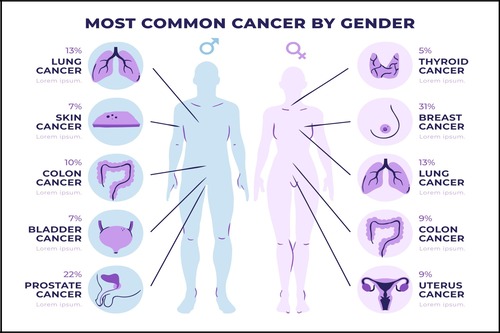
Cancer affects over 1.5 million Indians every year, most often lung, breast, cervical and oral cancers. Early detection and lifestyle modifications can significantly improve survival rates for patients diagnosed.
2. How Can You Prevent Cancer of Any Kind?
Living a healthy lifestyle is key to avoiding cancer of any type: avoiding tobacco and alcohol consumption, consuming a balanced diet rich in fruits and vegetables, exercising regularly, and protecting skin from overexposure to sunlight. Routine health checks and screenings should be part of this regimen as well.
3. How Can You Stop Worrying About Cancer?
Focus on what you can control: maintaining a healthy lifestyle, staying informed and attending regular screenings. Relying on reliable sources instead of myths may also help lessen unnecessary worry.
4. What are the symptoms of cancer?
Depending on its form, cancer symptoms vary, but one early sign could include unexplained weight loss. Other warning signs might consist of lumps, persistent fatigue or unusually heavy menstruation. If any persistent symptoms arise, it’s wise to consult a physician as soon as possible.
5. Can Home Examinations Diagnose Cancer?
While self-examinations (such as breast self-checks ) and being aware of changes to your body ( such as skin irregularities or new lumps ) aren’t sufficient to diagnose cancer on their own, self-exams (for example, breast self-checks) and tracking changes to skin and bodily changes (like lumps in skin irregularities or new ones) can provide invaluable clues that you should follow up with a medical professional for proper evaluation.

Tag Here

Leave a comment